



Table of Contents
- What Makes LASIK Eye Surgery Safe: The 2026 Clinical Picture
- LASIK Candidacy Requirements: Who Qualifies and Who Should Wait
- LASIK Complications and Side Effects: What the Data Shows
- Choosing a Qualified LASIK Surgeon: What Actually Matters
- The Financial Side of LASIK Safety: Hidden Costs and Financing
- LASIK vs. Modern Alternatives: A Comparative Safety Look
- The Psychological Impact of Post-LASIK Complications
- Conclusion: Making a Confident, Informed Decision
- Frequently Asked Questions
Last Updated: September 14, 2026
What Makes LASIK Eye Surgery Safe: The 2026 Clinical Picture
How safe is LASIK eye surgery? For most qualified candidates, LASIK is a well-established outpatient procedure with a strong safety record, and serious complications are uncommon when the surgery is performed after thorough screening. This guide from Schneider LASIK walks through candidacy, risks, surgeon selection, and cost so you can decide with clear information rather than marketing claims.
LASIK, or laser-assisted in situ keratomileusis, is a refractive surgery that reshapes the cornea so light focuses more precisely on the retina. The procedure is performed with a femtosecond laser to create a thin corneal flap and an excimer laser to remove tissue through a process called laser ablation. Most patients notice improved visual acuity within a day or two.
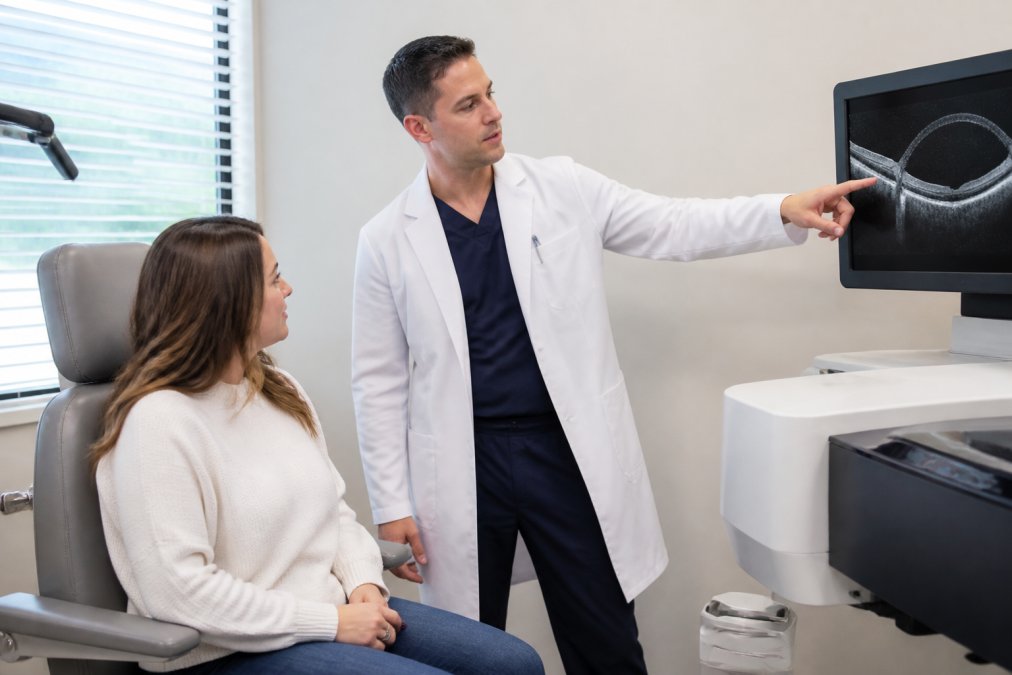
Safety here is not a single number. It is the product of three things working together: accurate pre-operative screening, a surgeon’s skill and judgment, and consistent post-operative care. Modern laser technology, including wavefront-guided systems, has improved predictability, but technology does not replace a careful evaluation. The U.S. Food and Drug Administration’s information on LASIK notes that most patients achieve good vision, while a minority experience persistent symptoms that warrant discussion before surgery.
LASIK Candidacy Requirements: Who Qualifies and Who Should Wait
The best candidates are adults with stable vision, adequate corneal thickness, and healthy eyes. Stability matters because a prescription that is still changing can lead to under- or over-correction and possible retreatment.
The Pre-Operative Screening Process
Screening is where safety is largely decided. A thorough exam measures corneal thickness, maps the corneal surface, checks for dry eye syndrome, and reviews your full medical and medication history. Certain conditions, including corneal ectasia and uncontrolled autoimmune disease, may rule out surgery. Pregnancy and nursing can also change refraction temporarily, so many surgeons ask patients to wait. If you are unsure whether you qualify, a consultation is the only reliable way to know.
LASIK Complications and Side Effects: What the Data Shows
Most LASIK side effects are not signs of damage, they are signs of healing. Understanding the mechanism behind each one is what separates a patient who panics from a patient who knows when to call.
Why Side Effects Happen at All
Creating the corneal flap and ablating tissue temporarily disrupts the corneal nerves that signal the eye to produce tears. That disruption is the root cause of most early symptoms: reduced tear production, an irregular tear film, and the light scatter that produces halos and glare. As the nerves regenerate over the following months, these symptoms typically resolve. This is also why dry eye is the single most common complaint after surgery, and why it is usually temporary rather than permanent.
Common Side Effects and What They Actually Mean
| Side Effect | Underlying Mechanism | Typical Duration | When to Call Your Surgeon |
|---|---|---|---|
| Dry eye | Temporary corneal nerve disruption reduces tear signaling | Weeks to several months | If lubricating drops don’t help, or pain worsens instead of easing |
| Halos and glare | Light scatter from the healing corneal surface | Days to a few weeks | If night driving remains difficult well past the first month |
| Blurry or fluctuating vision | Corneal remodeling and tear film instability | Days to a few weeks | If vision gets worse rather than steadily better |
| Epithelial ingrowth | Surface cells migrate under the flap edge | Variable; may require flap lift | If vision changes after you had already stabilized |
| Infection | Rare bacterial or fungal introduction | Days | Any new pain, redness, or discharge, this is urgent |
Temporary vs. Persistent: How to Tell the Difference
The practical rule most surgeons use is trajectory, not duration. Symptoms that are steadily improving, even slowly, are usually normal healing. Symptoms that plateau, worsen, or appear after you had already stabilized deserve a call. Persistent dry eye, epithelial ingrowth under the flap, and, in rare cases, corneal ectasia (a thinning and bulging of the cornea) fall into the category that warrants prompt evaluation rather than watchful waiting.
Corneal ectasia is rare but serious, and it is the complication most closely tied to screening failures, operating on a cornea that was already too thin or had undetected irregularity. This is why the pre-operative evaluation, not the laser, is the true safety gate.
The Mental Health Side of Complications
Most guides stop at the physical symptom list. The psychological toll is real and underdiscussed. Patients who expected instant, perfect vision can interpret normal healing symptoms like glare or fluctuating focus as evidence that something went wrong, and that anxiety can amplify the perceived severity of the symptoms themselves. Two things help: setting realistic expectations before surgery, including the possibility of temporary side effects, and staying in contact with your surgeon rather than searching for answers online at night. If you are nervous about eye surgery, say so during your consultation, a supportive team will slow down, answer questions, and explain what is normal and what is not.
The American Academy of Ophthalmology’s patient resources emphasizes that thorough pre-operative screening and honest informed consent are central to reducing these risks, and the National Eye Institute’s resources on refractive surgery is a useful, neutral place to read more before your visit.
Track the direction your symptoms are moving, not just how long they’ve lasted. Improving = healing. Worsening or newly appearing after stability = call your surgeon.
Choosing a Qualified LASIK Surgeon: What Actually Matters
Surgeon expertise and technology both matter, but the evaluation matters most. A skilled surgeon will tell you when not to have surgery, and that honesty is a safety feature, not a sales obstacle. The problem is that “choose a good surgeon” is advice, not a method. Here is the method.
Credentials That Actually Signal Competence
Board certification in ophthalmology is the baseline, not the differentiator. Look for subspecialty training in cornea or refractive surgery, and membership in professional societies such as the American Academy of Ophthalmology or the American Society of Cataract and Refractive Surgery. These are not guarantees, but they indicate a surgeon who has committed to the refractive field specifically rather than performing LASIK as a sideline.
Volume and Complication Management
Procedure volume matters because competence is partly repetition, but the more revealing question is not how many surgeries a surgeon has performed. It is how many complications they have managed, and what they do when one occurs. A surgeon who has never had a complication either has not operated enough or is not being candid. Ask directly: “What is your retreatment rate, and what is your protocol when a patient’s outcome falls short?”
Technology: What to Look For and What It Means
Modern LASIK uses two lasers: a femtosecond laser to create the flap and an excimer laser to reshape the cornea through ablation. Wavefront-guided and wavefront-optimized systems map the eye’s unique optical imperfections and tailor the ablation to them, which can improve predictability for some patients. Ask which platform the practice uses and whether it is wavefront-guided or wavefront-optimized, and ask why that platform was chosen for your eyes specifically, not just in general.
Questions to Ask Before You Commit
- How many procedures have you performed, and how do you handle complications?
- Which laser platform do you use, and is it wavefront-guided or wavefront-optimized?
- What does your pre-operative screening include, corneal thickness, topography, dry eye testing?
- What is your retreatment policy, and who covers the cost?
- Who provides post-operative care, and how long does follow-up last?
- What percentage of your patients would you estimate experience persistent dry eye?
Red Flags in the Consultation
Be cautious of any practice that quotes a price before examining your eyes, pressures you to book the same day, or dismisses questions about complications as pessimism. A surgeon who cannot describe a single risk in specific terms is not being reassuring, they are being evasive.
At Schneider LASIK, the team builds a customized plan around your age, prescription, and lifestyle, and uses state-of-the-art exam and treatment technology to support that plan. Dr. Mark Schneider has been named a Top Ophthalmologist seven times by the Consumers Research Council of America, and the practice is ranked highly by patients and local physicians.
The best safety question you can ask is not “How safe is LASIK?” It is “Based on my scans, what is my specific risk, and what would make you tell me not to have this surgery?” A surgeon who answers that clearly is the one you want.
The Financial Side of LASIK Safety: Hidden Costs and Financing
Cost affects safety more than people expect, because cutting corners on screening or follow-up is where problems start. LASIK is elective surgery and is generally not covered by insurance, though some plans offer partial benefits. Ask for a written breakdown of what the quoted price includes: the procedure itself, pre-operative testing, post-operative visits, enhancements, and any fees for complications. If a quote seems unusually low, check what it excludes. Schneider LASIK offers affordable financing options and publishes pricing on its website, so you can compare the full picture instead of a headline number.
LASIK vs. Modern Alternatives: A Comparative Safety Look
LASIK is not the only option, and for some patients it is not the best one. Alternatives include PRK, which skips the corneal flap and may suit thinner corneas; EVO ICL, an implantable lens for certain prescriptions; and Refractive Lens Exchange, often considered for patients in their mid-40s and older who are developing presbyopia or early cataracts.
Each has a different risk profile rather than a single “safest” option. PRK has a longer initial recovery but no flap-related risk. Implantable lenses are inside the eye and carry their own considerations. The right choice depends on your corneal thickness, prescription, age, and visual demands, which is why a personalized evaluation beats a one-size-fits-all recommendation.
The Psychological Impact of Post-LASIK Complications
Anxiety after surgery is common and often underdiscussed. Patients who expect instant, perfect vision can feel alarmed by normal healing symptoms like glare or fluctuating focus, and that worry can amplify the discomfort itself.
Two things help. First, set realistic expectations before surgery, including the possibility of temporary side effects. Second, stay in contact with your surgeon rather than searching for answers online at night. If you are nervous about eye surgery, say so during your consultation. A supportive team will slow down, answer questions, and explain what is normal and what is not. The National Eye Institute’s resources on refractive surgery is a useful, neutral place to read more before your visit.
Conclusion: Making a Confident, Informed Decision
The honest answer to how safe is LASIK eye surgery is that it depends on you, your eyes, and your surgeon. Good outcomes rest on thorough screening, appropriate technology, and consistent follow-up, not on a guarantee. If you want a personalized assessment rather than a generic answer, Schneider LASIK offers customized vision correction, blade-free laser technology, and financing options to make the decision easier. Schedule my consult with Schneider LASIK and get clear answers about your candidacy, your risks, and your expected visual outcomes.
Frequently Asked Questions
Is LASIK eye surgery worth the risk?
For most people who meet candidacy requirements, LASIK has a low complication rate and high patient satisfaction. The FDA reports serious complications are rare. However, ‘worth it’ depends on your prescription, corneal thickness, lifestyle, and tolerance for temporary side effects like dry eye or halos. A thorough pre-operative screening and an honest conversation with a qualified surgeon will help you decide whether the benefits outweigh the risks for your specific situation.
What are the most common side effects of LASIK surgery?
The most common LASIK complications and side effects include dry eye syndrome, night vision disturbances such as halos and glare, and temporary visual fluctuations. Most of these improve within three to six months as the corneal flap heals and the eye adapts. Persistent dry eye can be managed with lubricating drops or punctal plugs. Your surgeon should discuss your risk profile during the pre-operative screening so you know what to expect during the recovery period.
How does the FDA regulate LASIK safety?
The FDA regulates LASIK devices through the premarket approval process, which requires clinical trials demonstrating safety and effectiveness before a laser system can be marketed. The agency also mandates that patients receive a patient labeling guide explaining risks, benefits, and alternatives before giving informed consent. Laser technology continues to evolve, and wavefront-guided and femtosecond laser platforms have improved visual outcomes and reduced certain complications compared to earlier generations.
Who is considered a poor candidate for LASIK surgery?
Poor LASIK candidacy requirements include unstable vision prescriptions, thin corneas, severe dry eye syndrome, corneal ectasia, autoimmune conditions, and pregnancy or nursing. People under 18 also do not qualify because their eyes may still be changing. If you are not a candidate for LASIK, alternatives such as PRK, EVO ICL, or Refractive Lens Exchange may be appropriate. A comprehensive eye exam with corneal thickness mapping and a full health history review is the only way to know for sure.