


Last Updated: October 30, 2026
Quick Summary
Lifestyle factors affecting vision correction results include screen time and near work, dry eye habits, exercise timing, sleep, nutrition, smoking, and UV exposure. Screen time is the biggest post-surgery variable, since fewer blinks mean drier eyes during healing. These habits can support recovery but cannot guarantee any particular result.
- Follow the 20-20-20 rule: every 20 minutes, look 20 feet away for 20 seconds.
- Cut screen time for the first 24 to 48 hours after surgery.
- Smoking, alcohol, low water intake, and air conditioning slow tear film recovery.
- Walking and light stretching are usually fine after 24 hours; cardio typically around one week.
- Wear sunglasses outdoors, because ultraviolet light affects retinal and lens health over time.
Table of Contents
- How Lifestyle Shapes Vision Correction Outcomes
- Screen Time and Near Work: The Biggest Post-Surgery Variable
- Dry Eye After LASIK: Why Your Habits Decide the Outcome
- Exercise After LASIK: What’s Safe and When
- Sleep, Nutrition, Smoking, and UV Exposure: The Supporting Cast
- LASIK Recovery Tips That Protect Your Result
- Correction Method Matters: LASIK, PRK, ICL, and RLE
- Schedule Your Consultation at Schneider LASIK
- Frequently Asked Questions
How Lifestyle Shapes Vision Correction Outcomes
Surgery reshapes your cornea or lens in minutes. Your daily habits can influence how well that result holds up over time. Recovery is an important stage where lifestyle factors affecting vision correction results can make a difference. (Source: the American Academy of Ophthalmology’s guidelines on digital eye strain)
Vision correction is the process of reshaping how light focuses on the retina, whether through laser surgery, an implanted lens, or a lens replacement. Healing after surgery is where habits can matter.
Below, we break down the key factors that can affect results, and how they differ by procedure.
review of lifestyle factors and eye health notes that much of the evidence linking habits to eye outcomes is imperfect, so treat these as risk reducers, not guarantees.
Screen Time and Near Work: The Biggest Post-Surgery Variable
Screen time can be a significant factor in the weeks after surgery. Staring at a monitor cuts your blink rate, and fewer blinks means drier, more irritated eyes right when they need moisture most.
The fix is not quitting your job. It is pacing:
- Follow the 20-20-20 rule: every 20 minutes, look 20 feet away for 20 seconds
- Blink fully and often, especially during focused reading
- Use lubricating drops as directed by your eye care team
- Cut screen time for the first 24 to 48 hours post-surgery
- Keep monitors at eye level to reduce strain
A common mistake is diving back into eight-hour workdays on day two. Build screen time back gradually over the first week.
Dry Eye After LASIK: Why Your Habits Decide the Outcome
Dry eye is a commonly reported symptom after LASIK, and habits can influence how long it lasts. The procedure temporarily reduces tear production, so anything that dries you out further makes it worse.
Watch out: smoking, alcohol, low water intake, and long stretches in air conditioning all slow tear film recovery.
What actually helps:
- Use prescription and lubricating drops exactly as directed
- Drink water throughout the day
- Add a humidifier to dry rooms
- Limit alcohol for the first couple of weeks
- Ask your surgeon whether omega-3 sources are appropriate for you
Recovery timelines for dry eye vary between individuals, and your eye care team can advise what to expect.
Exercise After LASIK: What’s Safe and When
Light activity is often possible within a short time after surgery, but your surgeon will give the timeline for strenuous exercise and contact sports. Your surgeon gives the final timeline based on your procedure and healing.
Here is the practical breakdown:
- Walking and light stretching: usually fine after 24 hours
- Cardio and weightlifting: typically around one week
- Swimming: wait until cleared, often two to four weeks
- Contact sports: usually several weeks, depending on your surgeon
The risk with early hard exercise is not the workout itself. It is rubbing your eyes when sweat stings or a foreign object lands on a healing surface. Ask before you assume.
Sleep, Nutrition, Smoking, and UV Exposure: The Supporting Cast
Sleep, food, smoke, and sun are factors that can influence healing and how stable your result stays over time.
Sleep gives your eyes time to recover and rebuild the tear film. Short sleep and late nights slow healing and worsen dry eye. Good sleep supports the body’s recovery processes, and consistent sleep habits are generally helpful during healing.
Nutrition supports tissue repair. Leafy greens, fish, eggs, and colorful vegetables give your eyes the building blocks they need. A balanced diet supports overall health, which is part of good recovery habits. Our LASIK nutrition guide covers what to eat in more detail.
Smoking is the one to take seriously. It restricts blood flow and irritates the eye surface, and it slows healing. Smoking can affect healing, so if you smoke, discuss timing and expectations with your surgeon before surgery. Read more about how smoking harms your vision. (Source: the National Eye Institute’s information on dry eye disease)
UV exposure matters long after recovery. Wear sunglasses outdoors, because ultraviolet light affects retinal and lens health over time. UV protection is generally recommended, and your surgeon can advise on the specific precautions for your procedure. Wearing sunglasses outdoors is a practical habit to consider.
Each of these factors matters in its own way, and the correction method you choose can change which ones deserve the most attention.
LASIK Recovery Tips That Protect Your Result
Consistent recovery habits, such as protecting the eye, keeping it moist, and not rushing, are generally helpful after surgery.
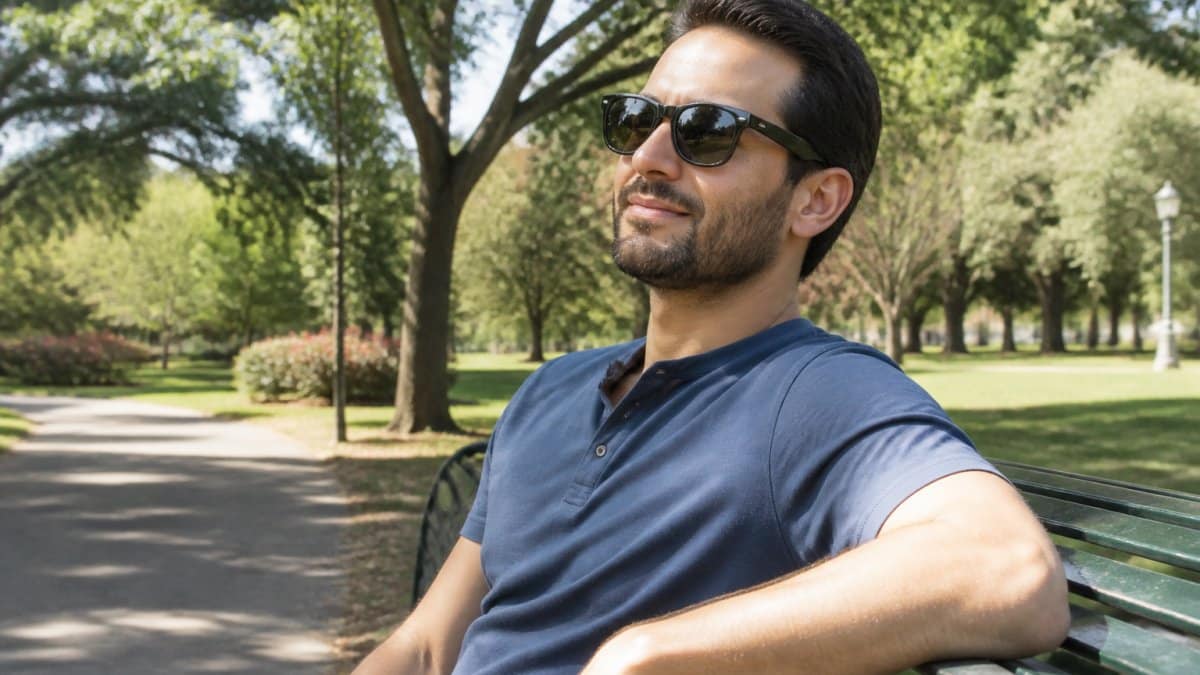
Use this checklist:
- Use drops on schedule, even when eyes feel fine
- Wear the shield at night as directed
- Avoid rubbing your eyes entirely
- Keep follow-up appointments
- Wear sunglasses outdoors
- Skip eye makeup for the first week or two
- Pause swimming and hot tubs until cleared
Correction Method Matters: LASIK, PRK, ICL, and RLE
Different procedures can carry different lifestyle considerations, so the same habit may matter more or less depending on the procedure. The table below summarizes general differences, and the paragraphs that follow explain them.
| Procedure | Recovery Pace | Lifestyle Watch-Outs | Best For |
|---|---|---|---|
| LASIK | Fast, days | Dry eye, screen time, rubbing | Most nearsighted and astigmatic adults |
| PRK | Slower, weeks | UV protection, patience with blur | Thin corneas, contact-sport athletes |
| EVO ICL | Fast, days | Follow-up checks, no rubbing | High prescriptions, dry-eye-prone eyes |
| RLE | Weeks | Healing time, reading adaptation | Presbyopia and cataract patients |
Screen time can be an important consideration after surgery, and pacing may differ depending on the procedure. Your surgeon can advise on what is appropriate for you.
Eye rubbing should generally be avoided after eye surgery. Your surgeon will advise you on the precautions that apply to your procedure.
UV protection is generally recommended, and your surgeon can advise on the precautions that apply to your procedure.
Physical activity timelines vary by individual and procedure, so your surgeon will provide guidance on when to resume exercise.
Dry eye can be a consideration after LASIK, and which procedure is appropriate depends on individual factors that your surgeon will evaluate during consultation.
Your consultation is the place to discuss which procedure may suit your eyes and daily routine.
Schedule Your Consultation at Schneider LASIK
Lifestyle habits cannot guarantee any particular result, but they can support recovery, and your eye care team can help you choose the procedure that fits your eyes and routine.
At Schneider LASIK, our team works to understand your vision needs, and we offer a range of vision correction options, including blade-free LASIK. Mark Schneider, M.D., has been named a Top Ophthalmologist seven times by the Consumers Research Council of America.
Consider scheduling a consultation with Schneider LASIK to learn more about your options. Schedule a vision correction consultation to find out which path fits your eyes and your life.
Frequently Asked Questions
Can lifestyle affect LASIK results?
Yes. Habits like screen time, sleep quality, smoking, and UV exposure can influence how your eyes heal and how stable your vision correction may be. Lifestyle factors such as screen time, activity levels, and diet are often discussed in relation to vision, and your surgeon can advise on what applies to you. After surgery, prolonged near work and dry eye may affect comfort and recovery. Your surgeon will give specific guidance based on your prescription and procedure.
Does screen time affect vision correction recovery?
Heavy screen time can make dry eye feel worse for some people during early recovery, since screens may reduce blink rate. Taking regular breaks from near work and following your eye care team’s guidance on drops can help. Your surgeon can advise you on what is appropriate for your recovery.
Can dry eyes affect LASIK results?
Dry eye is one of the most common reasons for fluctuating vision after LASIK. Dry eye is one factor that can make vision feel inconsistent after surgery, so it is commonly considered in pre-surgery evaluation. Your surgeon will assess your ocular surface during your consultation.
Does exercise affect recovery after LASIK?
Light activity is often possible soon after surgery, but intense exercise and swimming typically need to wait. Ask your surgeon for a specific timeline, since it depends on your procedure and healing. Rushing back to high-impact training may affect your recovery.